
Why PEMF Therapy Is Changing How We Approach Pain and Recovery
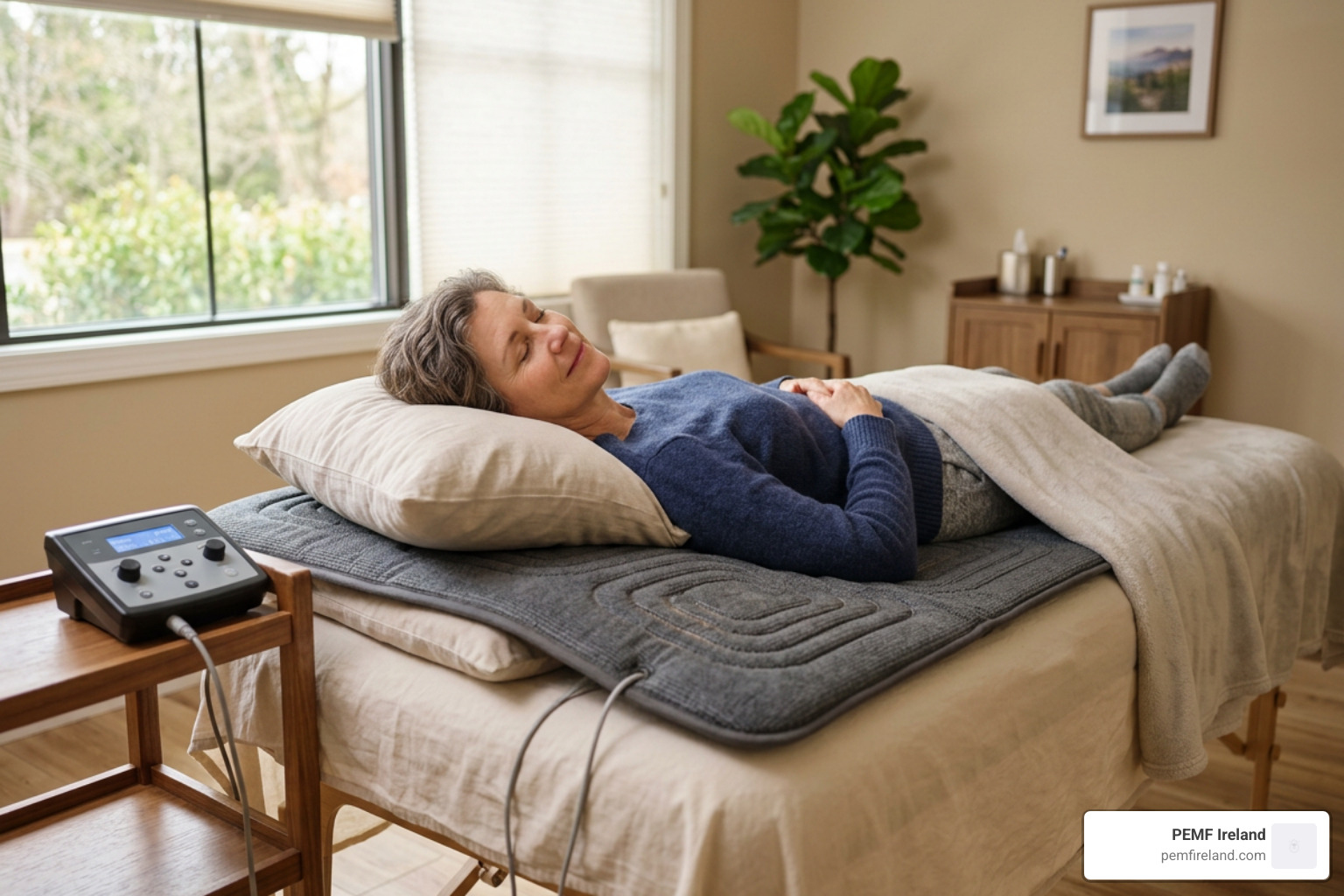
PEMF therapy — short for Pulsed Electromagnetic Field therapy — is a non-invasive treatment that uses low-frequency electromagnetic fields to stimulate healing at the cellular level.
Quick answer: What is PEMF therapy?
- What it is: A drug-free therapy that pulses electromagnetic fields through the body to support cell repair and reduce inflammation
- How it works: Restores the natural electrical charge of damaged cells, boosting circulation, oxygen delivery, and tissue healing
- What it’s used for: Chronic pain, bone healing, osteoarthritis, fatigue, poor sleep, and neurological conditions
- Is it safe? Yes — when used appropriately, it has been used under medical supervision without major safety concerns
- Is it FDA-cleared? Yes — for pain, edema, osteoarthritis, plantar fasciitis, and Medicare-reimbursed for chronic wounds
If you’re dealing with chronic pain, poor sleep, or slow recovery, you’re probably tired of solutions that mask symptoms rather than address the root cause.
That’s exactly where PEMF therapy stands out.
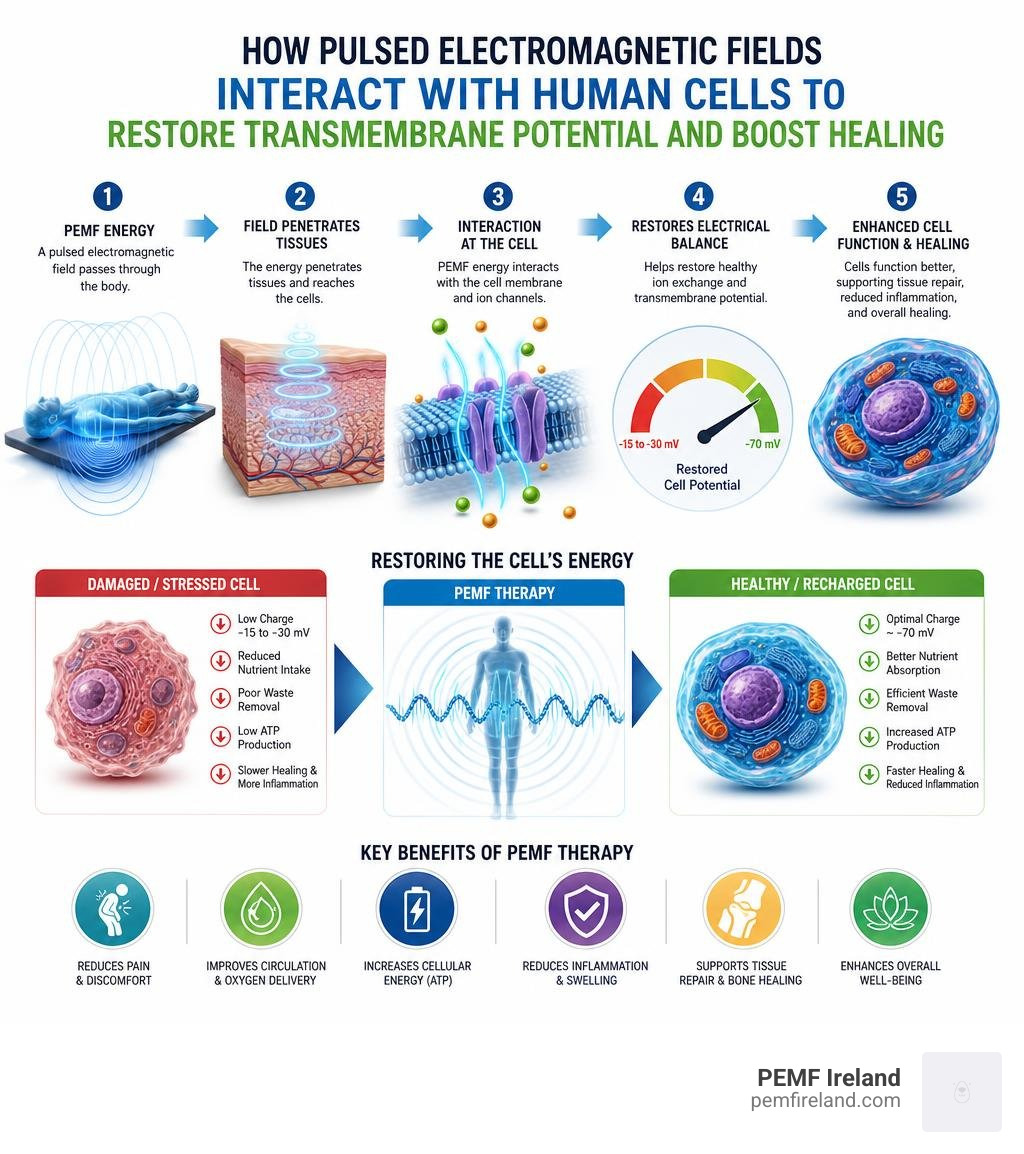
Rather than numbing pain signals with drugs, it works at the cellular level — nudging your body’s own repair mechanisms back into action. Healthy cells carry a transmembrane potential of around -70 millivolts. Damaged or stressed cells can drop to just -15 to -30 mV. PEMF therapy helps restore that charge, essentially acting like a recharge for underperforming cells.
The therapy has been studied for decades. PEMF devices were first FDA-approved for treating nonunion bone fractures back in 1979, and the evidence base has grown steadily since — covering everything from osteoarthritis and osteoporosis to wound healing and, more recently, Alzheimer’s disease.
It’s not a fringe concept. It’s a well-established field of bioelectromagnetic medicine with a growing body of clinical research behind it.
This guide covers everything you need to know — how it works, what the science says, who it helps, and what to watch out for.
What is PEMF Therapy and How Does It Work?
To understand PEMF therapy, we have to zoom in closely on the behavior of our cells. Every cell in the human body operates like a tiny, battery-powered engine. The cell membrane acts as the barrier keeping this battery charged, maintaining what is known as the transmembrane potential.
When your tissue is healthy, this electrical charge sits comfortably around -70 mV. However, when a cell is damaged by injury, chronic inflammation, or disease, its voltage plummets to between -15 and -30 mV. At this low charge, the cell struggles to pull in essential nutrients, expel cellular waste, or generate energy (ATP).
By using pulsed electromagnetic fields, we can introduce a gentle, non-ionizing, and nonthermal energy field to the body. This field passes straight through skin, muscle, and bone without resistance, inducing a mild electrical current that helps restore the cell’s transmembrane potential back to its optimal -70 mV state.
At the molecular level, this process triggers several key biochemical events:
- Calcium-Calmodulin Binding: The electromagnetic pulse influences calcium ions, encouraging them to bind with a regulatory protein called calmodulin (CaM).
- Nitric Oxide Production: This calcium-calmodulin binding activates specific enzymes, namely endothelial nitric oxide synthase (eNOS) and neuronal nitric oxide synthase (nNOS). This triggers short, controlled bursts of nitric oxide (NO).
- Improved Microcirculation: Nitric oxide is a powerful vasodilator. It relaxes the smooth muscles of blood vessels, increasing blood flow, reducing swelling, and speeding up the delivery of oxygen and nutrients to damaged tissues.
- Inflammation Control: While chronic inflammation involves an overproduction of destructive nitric oxide by inducible nitric oxide synthase (iNOS), the targeted pulses of PEMF therapy help downregulate this pro-inflammatory pathway, reducing cytokine activity and swelling.
By restoring cellular metabolism and optimizing these pathways, PEMF essentially gives your body the biological resources it needs to heal itself. For a deeper look at the underlying science, you can read this Overview of electromagnetic frequency therapy.
Clinical Evidence for Musculoskeletal Conditions
Musculoskeletal pain and injuries are among the leading causes of long-term disability worldwide. Whether it is a bone that refuses to fuse or a joint worn down by years of wear and tear, conventional treatments often involve heavy pain medications or invasive surgeries. Fortunately, clinical research highlights PEMF therapy as an effective, non-invasive alternative for tissue recovery and pain management.
Optimizing PEMF Therapy for Bone and Joint Healing
The clinical evidence supporting PEMF for bone healing is particularly robust. In fact, the FDA first cleared PEMF systems for treating nonunion fractures in 1979.
Under normal circumstances, between 5% and 10% of bone fractures fail to heal properly, resulting in delayed union or nonunion. When PEMF is introduced, clinical data shows overall healing rates for nonunion fractures jump to between 68% and 90%.
Research also reveals a clear dose-response relationship:
- Every single hour added to the average daily PEMF treatment dose reduces the average healing time of a nonunion fracture by 6 days.
- Patients who use PEMF for 9 or more hours a day heal on average 76 days earlier than those who use the therapy for 3 hours or less per day.
Beyond bone fractures, PEMF offers significant therapeutic benefits across a wide range of musculoskeletal conditions:
- Osteoarthritis (OA): PEMF acts as an agonist for adenosine receptors ($A_{2A}$ and $A_3$), which helps reduce the inflammatory cytokines (like IL-6 and IL-8) that degrade joint cartilage. This helps preserve joint structures and provides significant relief from chronic knee and hip pain.
- Osteoporosis: By upregulating osteoblast activity (the cells responsible for bone formation) and stimulating the Wnt/$\beta$-catenin signaling pathway, PEMF helps improve bone mineral density.
- Osteonecrosis (Avascular Necrosis): Applied in the early stages (Ficat Stage I or II) of osteonecrosis of the femoral head, PEMF can improve local blood flow, promote bone remodeling, and potentially prevent joint collapse, helping patients avoid total hip replacements.
- Tendon Disorders: Tendon cells are notoriously slow to heal due to poor blood supply. PEMF modulates inflammatory cascades and promotes extracellular matrix repair, particularly under active inflammatory conditions.
For an exhaustive scientific breakdown of these mechanisms, refer to this detailed Scientific review on musculoskeletal disorders.
Comparing Magnetic Stimulation to Conventional Treatments
How does PEMF therapy stack up against other conservative and surgical treatments? While standard options like Transcutaneous Electrical Nerve Stimulation (TENS) only block pain signals temporarily at the skin level, PEMF penetrates deep into the joint and bone tissue to address the root cause of the pain.
Furthermore, high-intensity options like repetitive Peripheral Magnetic Stimulation (rPMS) can engage central descending inhibitory pathways and activate deep muscle groups, offering rapid short-term pain relief that conventional physical therapy alone cannot match.
| Treatment Modality | Invasiveness | Main Mechanism | Recovery Time | Key Limitations |
|---|---|---|---|---|
| PEMF Therapy | Non-invasive | Restores cell membrane potential, reduces inflammation, boosts circulation | None | Requires consistent, daily or weekly sessions |
| TENS Therapy | Non-invasive | Blocks superficial pain signals (Gate Control Theory) | None | Short-term relief only; does not promote tissue repair |
| Steroid Injections | Minimally invasive | Locally suppresses inflammation | 1–2 days | Can degrade cartilage over time; temporary relief |
| Surgical Intervention | Highly invasive | Mechanical repair or joint replacement | Weeks to months | Surgical risks, high cost, potential for failure |
Clinical trials show that combining PEMF with standard exercise protocols yields far superior functional outcomes and pain reduction than exercise alone. To explore the comparative data on orthopedic pain management, you can read this Systematic review on orthopedic pain.
Neurological Applications and the EVOKE Study
The brain is an electrochemical organ, making it highly sensitive to external electromagnetic fields. Over the last few decades, researchers have shifted their focus toward how PEMF can support neurological recovery, protect nerve cells, and combat cognitive decline.
PEMF for Alzheimer’s Disease and Cognitive Decline
One of the most exciting frontiers in modern bioelectromagnetic medicine is the treatment of neurodegenerative diseases, particularly Alzheimer’s.
Currently, the EVOKE study — a randomized, controlled, double-blinded clinical trial — is actively tracking the safety and efficacy of pulsed electromagnetic fields in 48 patients with mild to moderate Alzheimer’s disease.
- Study Design: Participants are split into active and placebo arms. The placebo group uses a device that looks and feels identical to the active PEMF device to eliminate any bias.
- Treatment Protocol: Patients receive targeted PEMF treatments for up to 120 days, with clinical assessments performed every 30 days.
- Follow-Up: Following the treatment phase, patients are monitored over a nine-month post-treatment follow-up period, with cognitive assessments conducted every three months.
By stimulating deep brain tissues, PEMF is believed to support neuroplasticity, reduce neuroinflammation, and improve cerebral microcirculation, offering a promising, drug-free path forward for cognitive support.
FDA Clearances and Medicare Reimbursements
PEMF is not an experimental concept; it carries significant regulatory backing. The FDA has cleared various PEMF devices for specific clinical indications, recognizing their safety and efficacy.
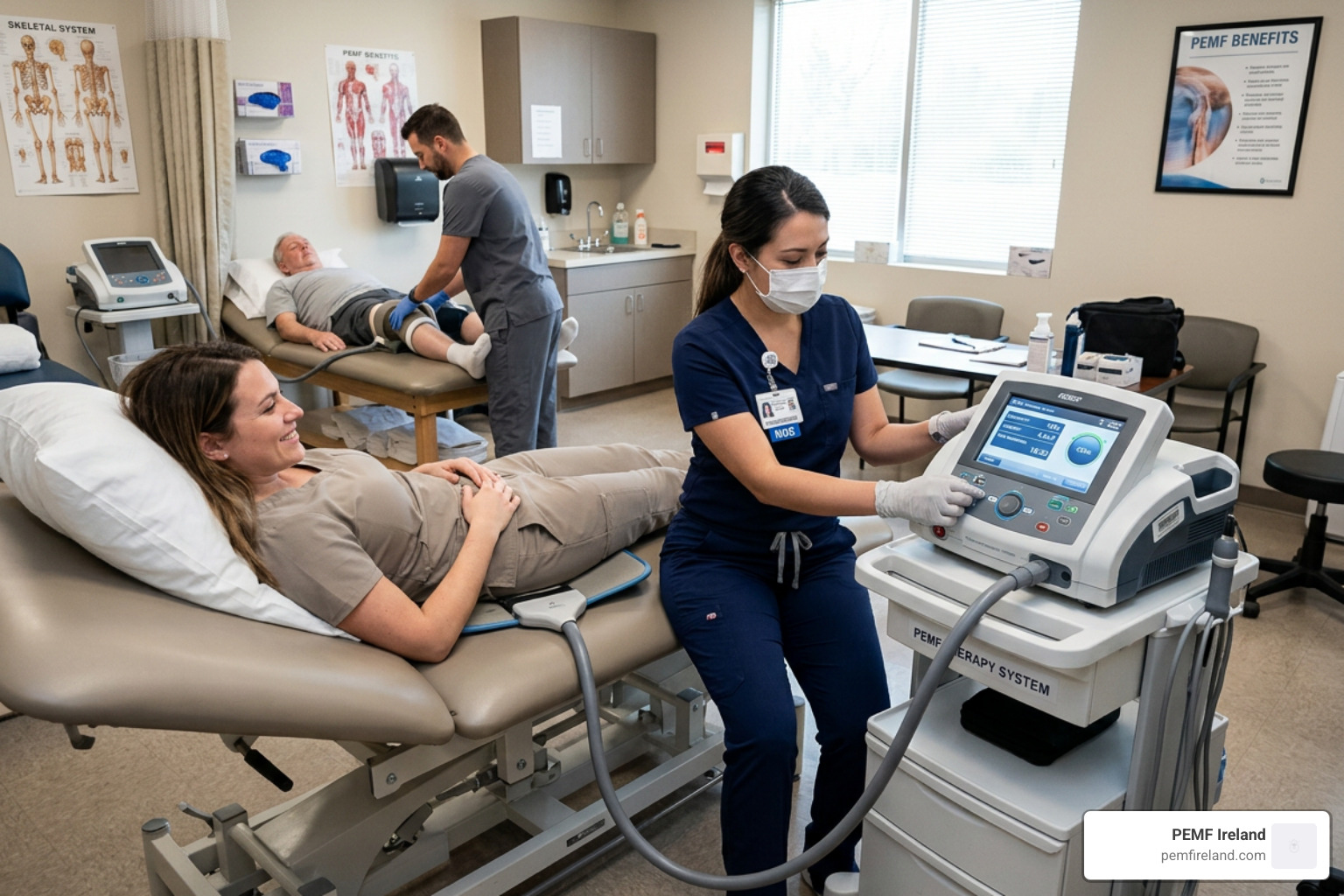
- FDA-Cleared Indications: Pain relief, edema reduction, knee osteoarthritis, and plantar fasciitis.
- Medicare Reimbursement: In a major nod to its clinical efficacy, Medicare reimburses the use of PEMF therapy for the treatment of chronic, non-healing wounds that have failed to respond to standard care.
These clearances demonstrate that regulatory and medical bodies recognize PEMF as a legitimate, evidence-based therapy.
Treatment Parameters, Safety, and Contraindications
Not all electromagnetic fields are created equal. The therapeutic benefits of PEMF depend entirely on using the correct clinical parameters.
Clinical Parameters: Frequency, Intensity, and Duration
In clinical settings, PEMF devices utilize non-ionizing, low-frequency electromagnetic fields that pose no risk of tissue heating or DNA damage. The key parameters used include:
- Frequency: Typically kept under 100 Hz (most commonly between 1 Hz and 50 Hz) to mimic the natural electromagnetic frequencies of the Earth and our own biology.
- Intensity (Magnetic Flux Density): Ranges from microtesla ($\mu T$) levels up to 30 millitesla ($mT$) for standard low-intensity PEMF. In contrast, high-intensity systems like rPMS can reach up to several Teslas to stimulate deep motor nerves and induce muscle contractions.
- Session Duration: Sessions usually last between 10 and 30 minutes, though some bone-healing protocols utilize low-intensity mats designed for overnight use.
To review the detailed physiological differences between low-intensity and high-intensity magnetic applications, consult this Scientific data on peripheral magnetic stimulation.
Contraindications: Who Should Avoid PEMF Therapy?
While PEMF therapy is highly safe and has been used under medical supervision without major safety concerns, there are specific situations where it must be avoided:
- Electronic Implants: Anyone with a pacemaker, defibrillator, cochlear implant, or intrathecal drug pump must avoid PEMF, as the magnetic field can disrupt the device’s electronics.
- Pregnancy: Due to a lack of long-term safety data on developing fetuses, pregnant individuals should not undergo PEMF therapy. Furthermore, pregnant operators should remain at least 70 cm away from active high-intensity coils.
- Active Fungal Infections: Magnetic fields can occasionally encourage the proliferation of certain fungi; therefore, PEMF should not be applied directly over active fungal skin lesions.
- Active Bleeding or Hemorrhage: Because PEMF significantly boosts local circulation and blood flow, it should not be used on individuals with active bleeding disorders.
Frequently Asked Questions
Is this treatment safe for daily use?
Yes, low-intensity PEMF is safe for daily use. Because it uses non-ionizing, low-frequency fields, it does not build up in the body or cause cellular damage. However, if you are treating a specific clinical condition, it is always best to follow a protocol supervised by a healthcare professional. To learn more about how we operate, you can read About PEMF Ireland.
How long does it take to see results?
The timeline depends on the condition being treated. For acute pain, swelling, or muscle tension, many patients experience noticeable relief during or immediately after their first 30-minute session. For chronic issues like osteoarthritis, bone healing, or nerve regeneration, it typically takes 2 to 4 weeks of consistent daily or weekly sessions to see lasting structural improvements.
Can electromagnetic fields be used alongside other therapies?
Absolutely. PEMF works exceptionally well alongside physical therapy, chiropractic care, and exercise. It acts as a biological primer, boosting circulation and cellular energy so your body can get more out of other treatments.
For those looking to maximize their wellness, we also offer advanced systems like HOCATT ozone therapy, which integrates PEMF with ozone, hyperthermia, and oxygen therapies to deliver comprehensive cellular rejuvenation. You can find More info about our products and how they can be combined to support your health.
If you are located in Ireland and want to experience these benefits firsthand, you can also explore options for local PEMF therapy in Ireland.
Conclusion
At PEMF Ireland, we supply high-intensity PEMF therapy systems designed to recharge your cells, relieve chronic pain, and shut down systemic inflammation.
Our medical wellness technology features a unique approach: we provide systems with 10 integrated technologies that deliver 145+ physiological responses in a single, highly efficient 30-minute session. Backed by our ongoing clinical support, we make sure you have the guidance and protocols needed to achieve the best possible outcomes.
Whether you are recovering from a stubborn sports injury, managing chronic joint pain, or simply looking to optimize your cellular health and energy levels, we are here to help.
Are you ready to give your cells the recharge they deserve? Start your wellness journey with PEMF Ireland today.